



The basics of helm operation and speed control
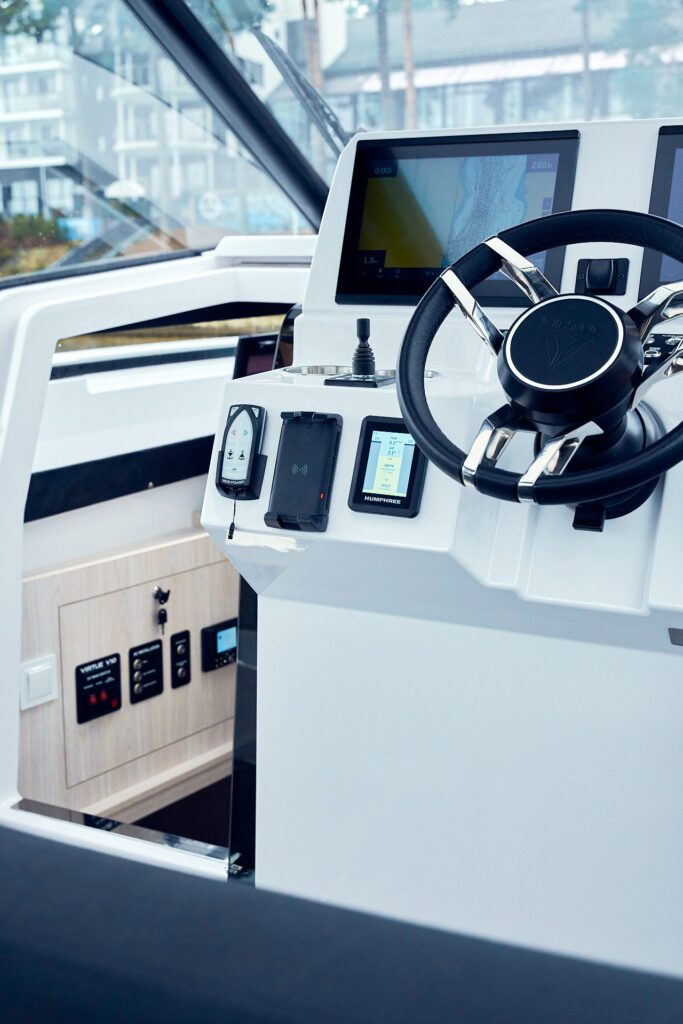
When considering how to operate a motorboat, you must first master the skill of controlling the engine and correctly positioning the vessel. A key aspect is maintaining an appropriate speed, as going too fast makes control difficult, while going too slowly prevents effective course changes. The basic manoeuvring techniques include, among other things, making turns, reversing, and maintaining a safe distance from other vessels on the water.
For beginner sailors, learning how to operate a motorboat is made easier by the fact that petrol-powered yachts are generally much simpler to handle than traditional sailing vessels. Always remember to continuously monitor the situation on the water and to assess the strength and direction of the wind before making a turn. Avoid sudden bursts of speed and a lack of communication with the crew, so as not to lose control of the helm and risk potential collisions.
The practice of mooring and anchoring
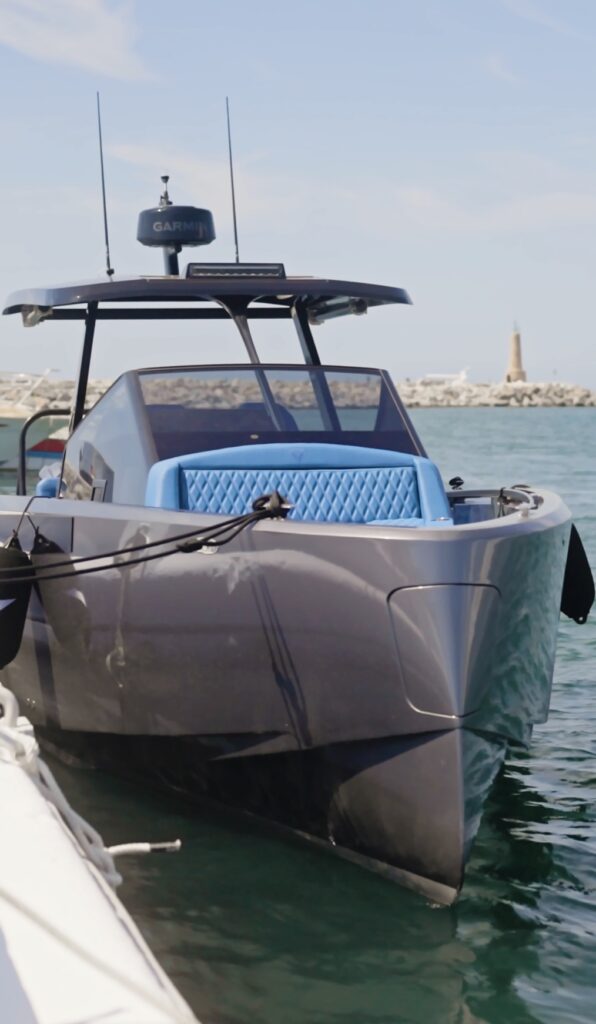
In order to operate a motorboat in a fully safe manner, you must master the art of mooring, which requires precision, proper preparation, and composure. This process involves securing the yacht using mooring lines, such as breast lines, spring lines, and stern lines, which effectively protect the boat from wind and currents. Always prepare your equipment and deploy fenders along the sides of the hull before beginning the approach manoeuvre towards the quay.
Experienced helmsmen operate a motorboat and moor without haste, as excessive speed is the most common mistake leading to damage. It is advisable to approach the quay slowly and into the wind, using its force as a natural brake, and if there is any doubt whatsoever, to repeat the manoeuvre without hesitation. The appropriate and considered use of mooring lines and the anchor will guarantee the stability of the vessel and the safety of the crew throughout the entire period of berthing.
Manoeuvres in confined spaces and canals
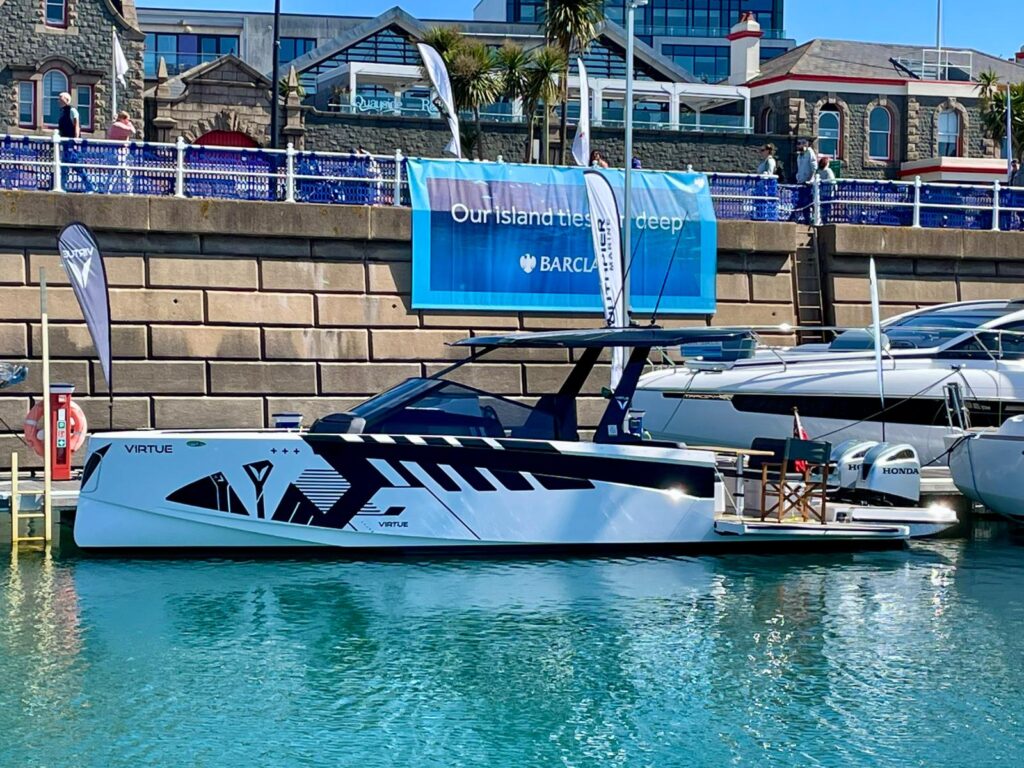
The technique of operating a motorboat in tight marinas and canals is based on maintaining a minimum speed and continuously anticipating the effect of the wind. In narrow canals, always travel along the centre in order to minimise the wake, which could damage the banks or other moored vessels. When performing tight turns, make use of the propeller walk effect in reverse gear, which allows the boat to be rotated very efficiently in virtually the same spot.
Knowledge of how to operate a motorboat in such restricted conditions also requires working the throttle at idle speed and using only short bursts of propulsion. If your boat is equipped with a bow thruster, use it to quickly and precisely counteract any unwanted movements of the stern. Bear in mind that in locations with limited manoeuvring space, it is better to act slowly and to avoid any abrupt movements.
Responses to emergency situations and collisions
Even if you are thoroughly familiar with how to operate a motorboat, you must be constantly prepared for dangerous and unforeseen emergency situations on open water.
In the event that the hull begins to take on water dangerously, you should head towards the shore as quickly as possible or deliberately run the vessel aground a procedure referred to in sailing as stranding.
Should a fire break out on board, immediately close the main gas cylinder valve and position the boat at such an angle that the wind blows the flames out towards the open sea.
In the event of a capsize, the most important steps are to quickly put on life jackets, count the crew members, and remain with the vessel for as long as it stays afloat. Being aware of how to operate a motorboat and how to effectively call for assistance also includes sending a Mayday message via radio, firing red flares, or contacting the SAR search and rescue services.
Keeping a cool head and avoiding panic under conditions of intense stress will always significantly increase the chances of the situation being brought to a safe conclusion.