

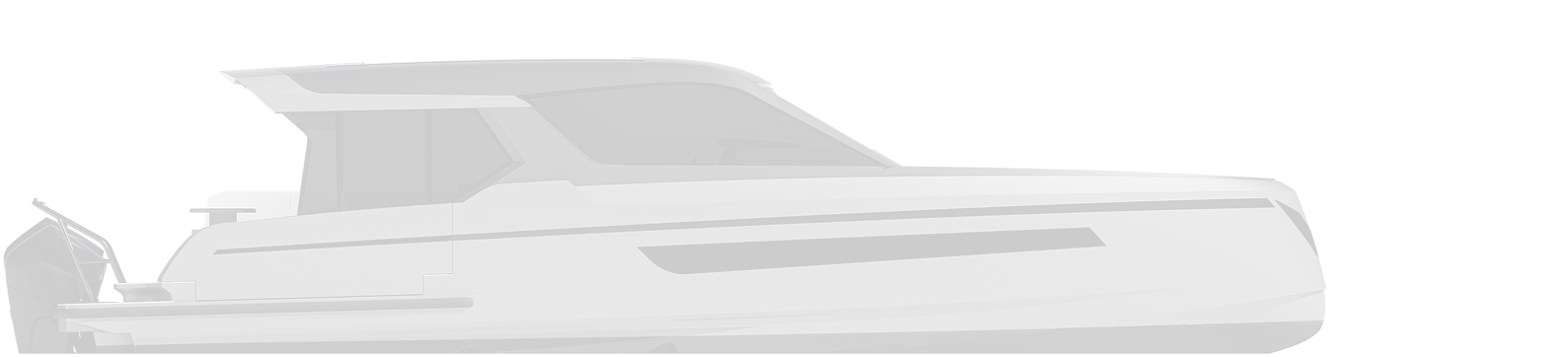


When the season comes to an end and your yacht goes onto its winter stand, remember – every hour spent on maintenance is an investment in future seasons filled with safe and unforgettable adventures on the water. And if you’re considering purchasing a year-round boat, be sure to check out our Virtue V10 Cabin model.
Hull and deck cleaning – a key element
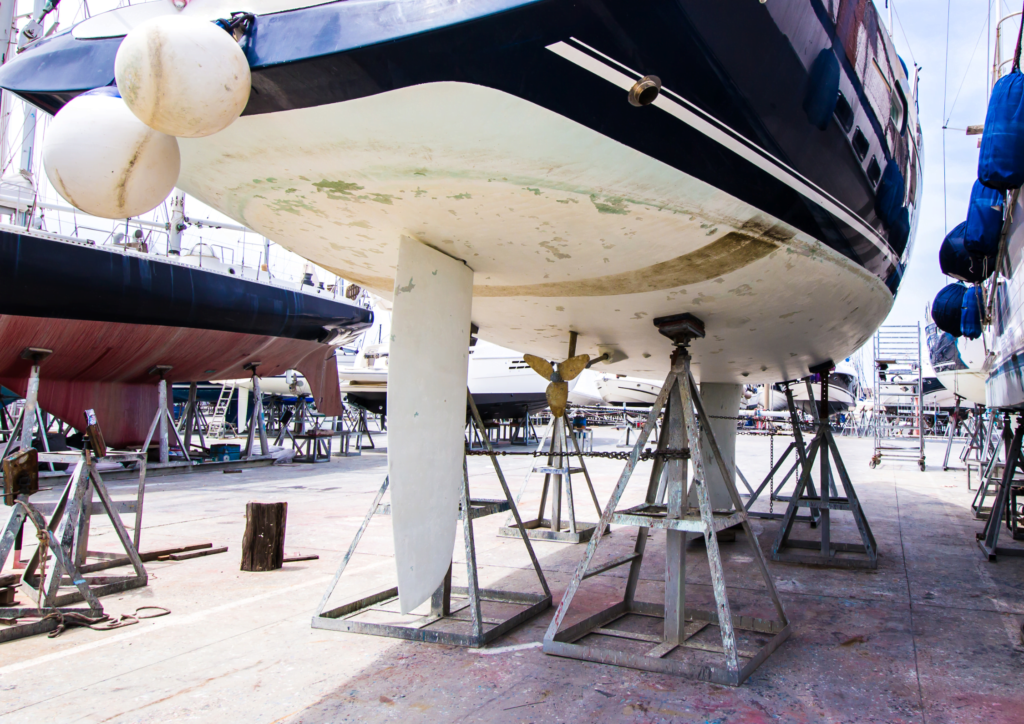
The first step in yacht servicing after the season is thorough hull cleaning (streaks, deposits, algae, dullness). A dirty bottom can “steal” several knots of speed and negatively affect the vessel’s performance (for more stubborn deposits, specialized cleaning agents are necessary). After cleaning, it’s worth checking the condition of the protective coating, antifouling paint or gelcoat, and applying a new layer if needed. Post-season yacht servicing should also include repairing mechanical damage and filling in paint gaps.
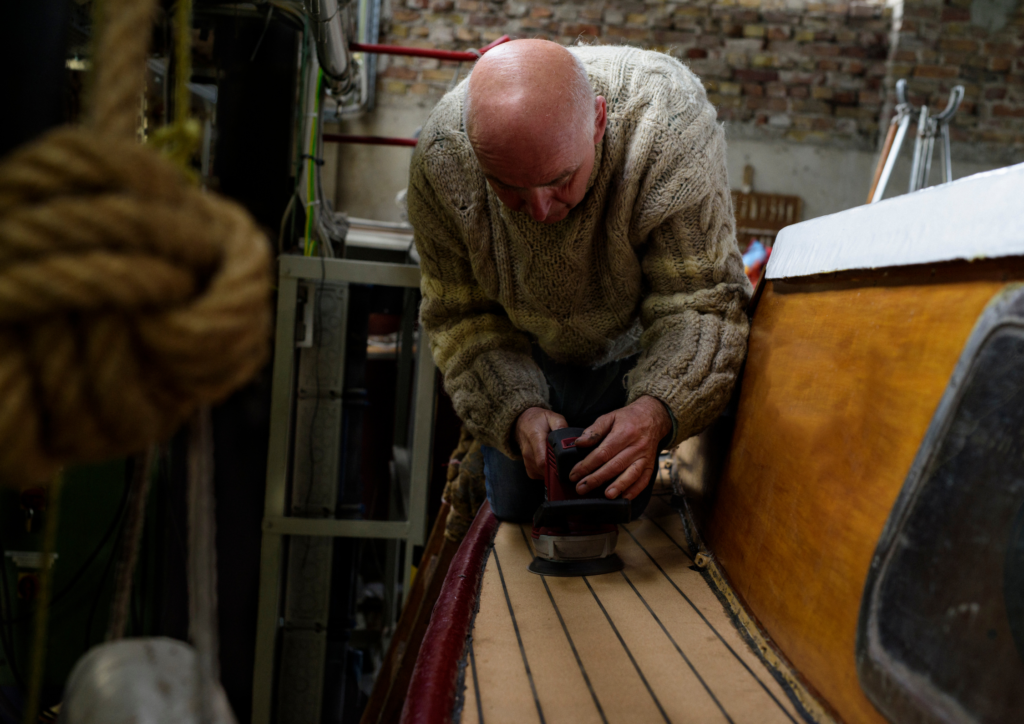
Don’t forget about yacht primer paints, which strengthen the surface and increase adhesion of subsequent coats. If your boat has wooden deck or cabin elements, ensure their regular sanding, oiling, or varnishing – wood absorbs moisture and is susceptible to UV radiation. Wooden deck maintenance is not decorative, but essential.
Engine and drive system maintenance
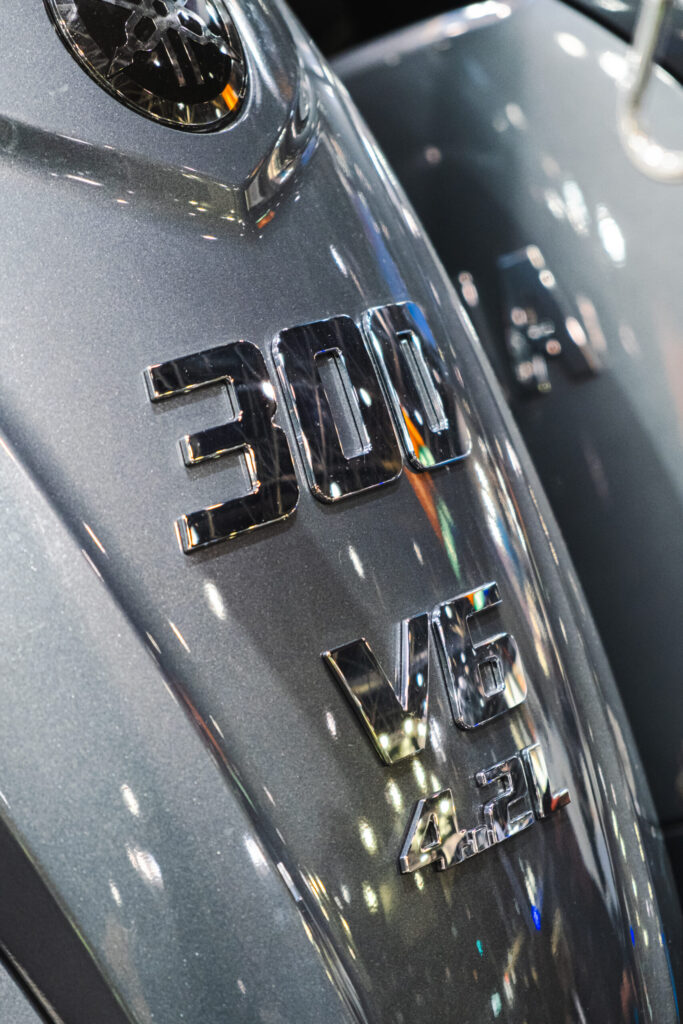
Proper post-season yacht servicing requires special attention to the condition of the outboard engine, which should be thoroughly cleaned of aquatic vegetation, oil, and salt deposits. The first step is flushing the engine’s internal circuit with clean water or vinegar solution to remove scale and mineral deposits. Next, check the condition of spark plugs and cables, and immediately replace worn elements.
It’s worth protecting the mechanical and electrical parts of the engine with spray grease
A key element of post-season yacht servicing at this stage is also changing the engine oil and lower unit oil (approximately every 100 engine hours). Remember to drain the old oil while it’s still warm! After changing the oil, it’s worth protecting the mechanical and electrical parts of the engine with spray grease, which eliminates moisture and protects against corrosion. Don’t forget to lubricate moving parts such as cables, steering system, and drive shaft using marine-grade grease.
Electrical and fuel system inspection
The next step in post-season yacht servicing is thorough inspection of the electrical and fuel systems, which determine the vessel’s safety. Check the operation of all navigation lights, bilge pumps, and the condition of electrical cables. Look for chafing, insulation cracks, or corroded terminals, which should be cleaned and protected with an anti-corrosion agent. Inspect the fuse panel, distribution board, and the charging status and securing of batteries, remembering that gel and AGM batteries require special chargers.
For the fuel system during post-season yacht servicing, check the tightness of all connections, cable condition for cracks, and proper operation of pumps and valves. According to building regulations, the electrical system should undergo measurements (insulation resistance, grounding) at least once every 5 years. If any irregularities are detected, it’s worth using professional service company services.
Regular technical inspections and repairs
Regular technical inspections are extremely important for safety and help avoid costly engine failures. Don’t wait until spring for post-season yacht servicing, as an improperly winterized engine can suffer serious damage during winter storage, which involves expensive repairs. The inspection schedule depends on the type of boat and intensity of use, but all repairs should be performed promptly.