



The summer season means intensive boat use, and with it comes a higher risk of technical problems. High temperatures, frequent trips, and changing water conditions mean that failures on a motorboat can occur even for experienced users. The good news is that most problems can be effectively prevented with regular checks and basic technical knowledge.
Propulsion system problems – causes and prevention
One of the most common causes of motorboat failures is the propulsion system, especially engine overheating and fuel system issues. A cooling system blocked by algae, sand, or mud, a damaged water pump, or a faulty thermostat can quickly lead to rising engine temperatures. A clear warning sign is a lack of cooling water flow.
Contaminated fuel is another serious issue, as it can cause uneven engine operation or stalling. To reduce the risk of motorboat failures, it is important to regularly clean intake grilles, replace fuel filters, and avoid aggressive driving in shallow waters. Carrying spare filters and basic propulsion parts on board often determines whether a trip ends with a safe return to the harbor.
Electrical failures and diagnosis
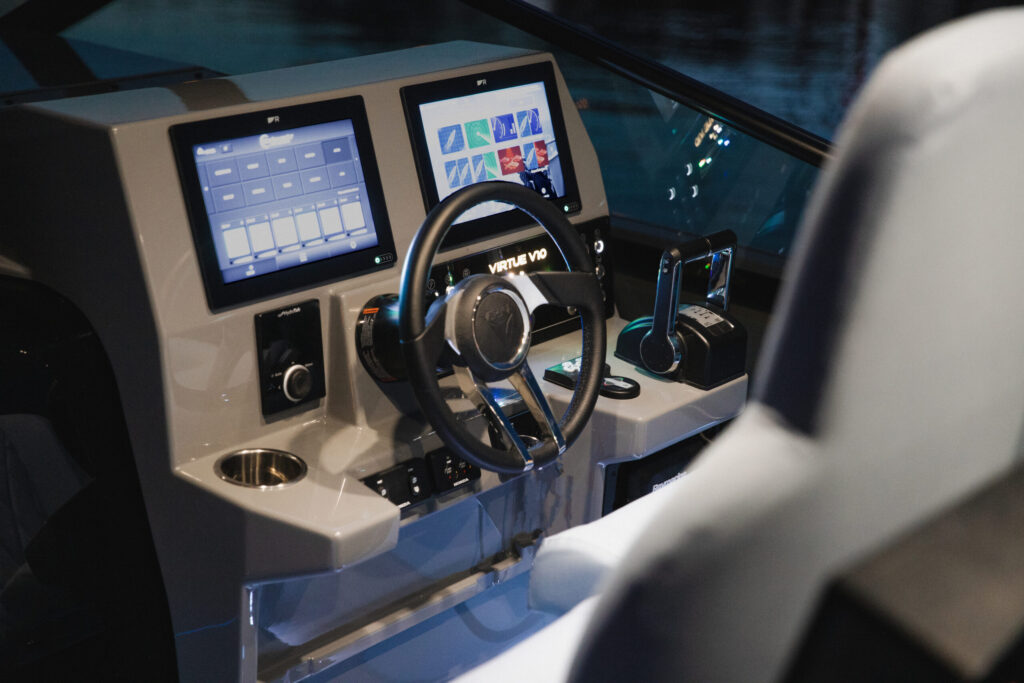
Modern boats rely heavily on electronics, which is why electrical systems are a frequent source of motorboat failures. Moisture, saltwater, and vibrations promote corrosion of connectors, loose connections, and blown fuses.
Typical symptoms include starting problems, voltage drops, or unstable operation of navigation equipment. Basic diagnostics should start with checking the battery and terminals, which should be clean and securely fastened. It is also wise to carry spare fuses and a simple multimeter, allowing quick identification of the problem. Regularly protecting contacts with electrical contact spray significantly reduces the risk of electrical failures on a motorboat.

Hull damage – how to detect and fix it quickly
During intensive use, contact with the seabed, docks, or floating obstacles is common and is a frequent cause of hull-related motorboat failures. The first step should always be a careful visual inspection for cracks, deep scratches, or blisters that may indicate osmosis.
Minor gelcoat scratches are mostly cosmetic, but damage reaching the laminate requires immediate attention. At sea, marine adhesives and fast-curing epoxy fillers can help temporarily seal leaks. Regular hull inspections and quick repairs prevent small issues from turning into serious motorboat failures.
Knowledge of navigation rules and right-of-way regulations on the water significantly increases safety
Procedures and safety measures on the water
Even a well-prepared boat is not risk-free, so proper procedures are essential when dealing with motorboat failures. Constantly monitoring weather forecasts and reacting early to worsening conditions is key.
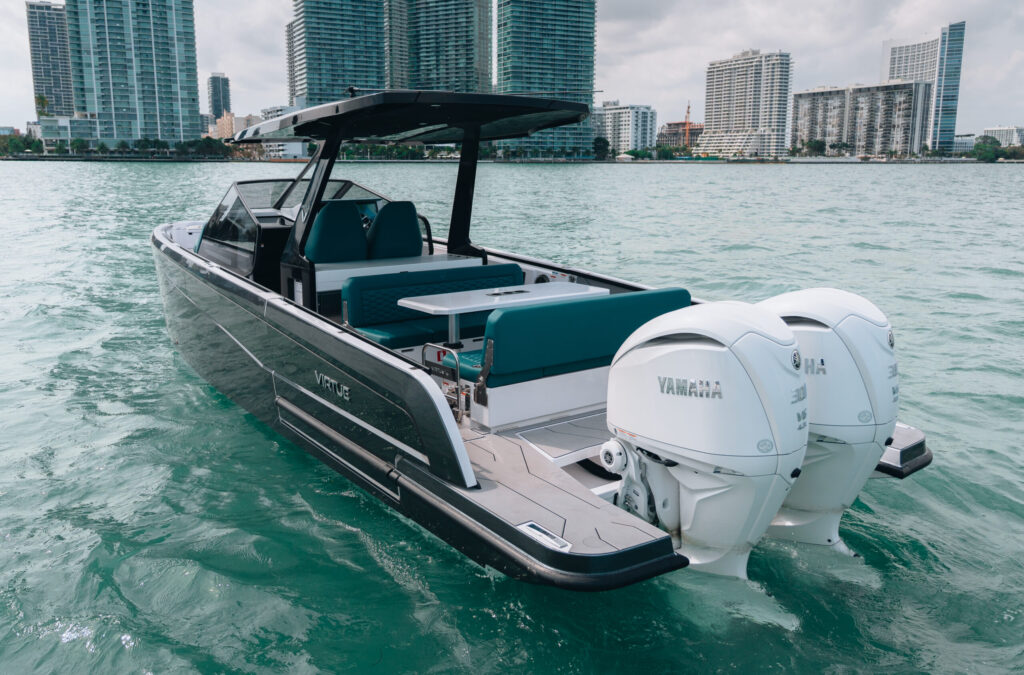
Every crew member should wear a properly fitted life jacket, and a phone or VHF radio must be operational and protected from water. In case of propulsion failure, stay calm, call for assistance, and if possible use auxiliary propulsion or towing. Knowledge of navigation rules, right-of-way regulations, and local maritime notices significantly improves safety and limits the impact of unexpected motorboat failures.
Key safety rules on the water:
- Treat water with respect, it is a natural force, not just a place for leisure.
- Never swim or enter the water after consuming alcohol.
- Do not operate a boat under the influence of alcohol and react if you see an intoxicated skipper.
- Do not go out without proper training and basic experience.
- Regularly monitor the weather and respond to changing conditions.
- Always have a shelter plan and track your position on the chart.
- Wear a life jacket and carry a charged, protected phone.
- Follow navigation marks and watch out for other vessels.
- Practice good etiquette on the water and respect other users.
- Care for the environment, leave no trash and boat responsibly.