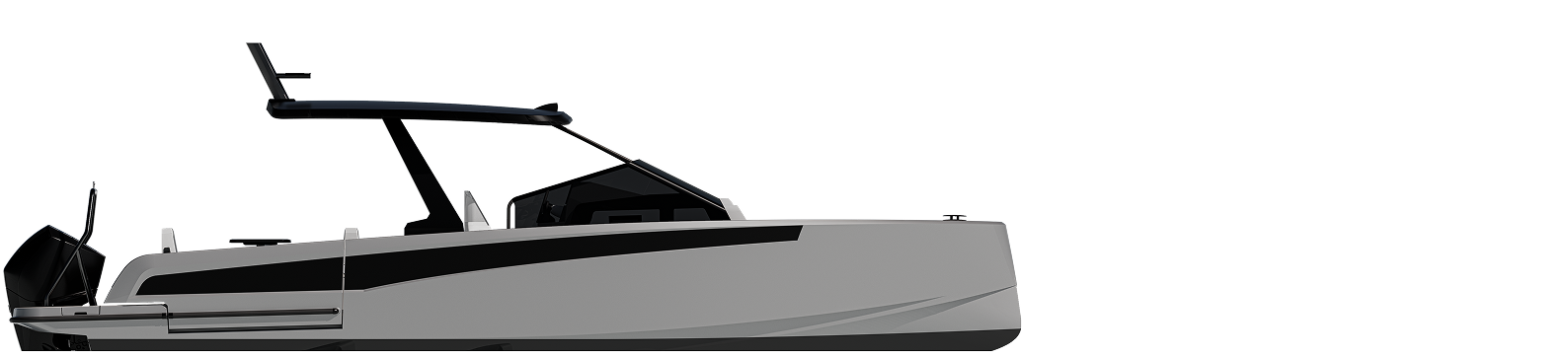




Ways to reduce exhaust emissions
In order to effectively reduce the emission of harmful exhaust gases on the water, the maritime industry is moving away from traditional engines in favour of cleaner solutions. Electric and hybrid boats are gaining increasing popularity, as they completely eliminate or significantly reduce the release of greenhouse gases into the atmosphere. In addition, boat owners are installing solar panels on board, which allows for a further reduction in the consumption of conventional energy during voyages.
Sailors can also make use of modern applications, such as Windy or MarineTraffic, to optimize their routes and prevent excessive fuel consumption. By choosing electric and hybrid boats, users gain a fully silent and environmentally friendly alternative that does not place any burden on local ecosystems. This comprehensive approach makes it possible to maintain the ideal balance between a passion for sailing and a responsible commitment to environmental cleanliness.
The application of hybrid and electric propulsion systems
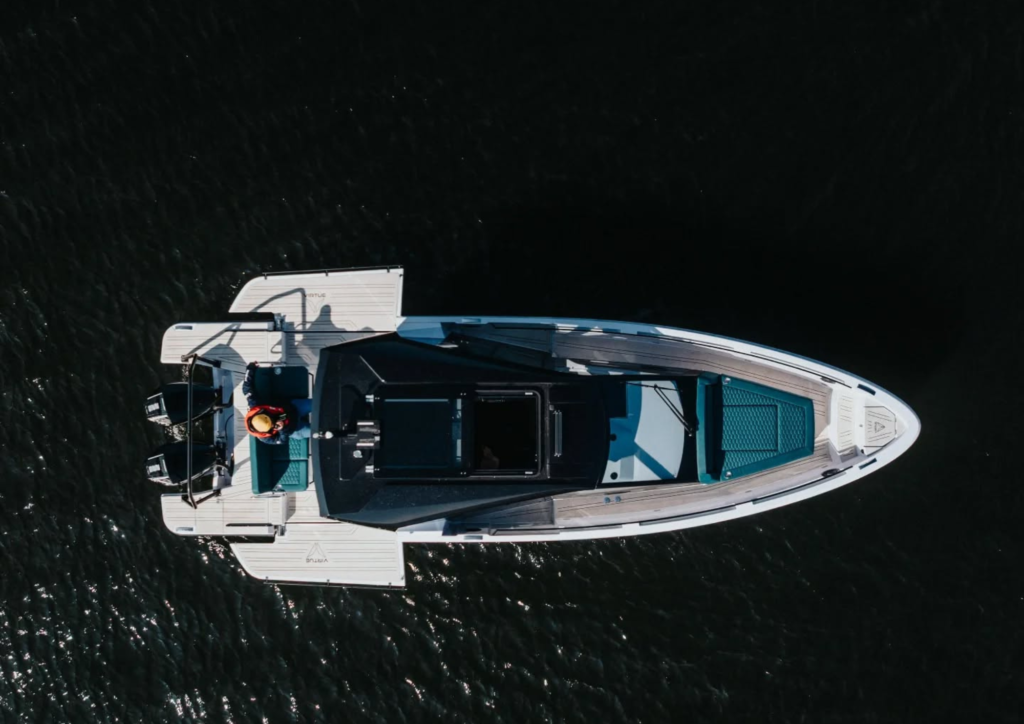
Modern propulsion systems are currently finding very wide application in both small recreational vessels and larger catamarans or passenger ferries. By investing in electric and hybrid boats, one gains a propulsion system of exceptionally high efficiency, great reliability, and low self-weight. These systems allow for easy speed control and make use of high-capacity lithium-ion energy storage units that support rapid charging.
Furthermore, hybrid systems effectively combine the advantages of zero-emission propulsion with a noticeably greater range, guaranteed by the additional support of a combustion engine. For this reason, electric and hybrid boats are becoming the ideal choice for the commercial tourism industry, offering leisure in comfortable silence. Their growing sales figures and popularity are also dynamically driving the development of the necessary infrastructure, prompting marinas to construct dedicated battery charging stations.
Environmentally friendly materials and technologies
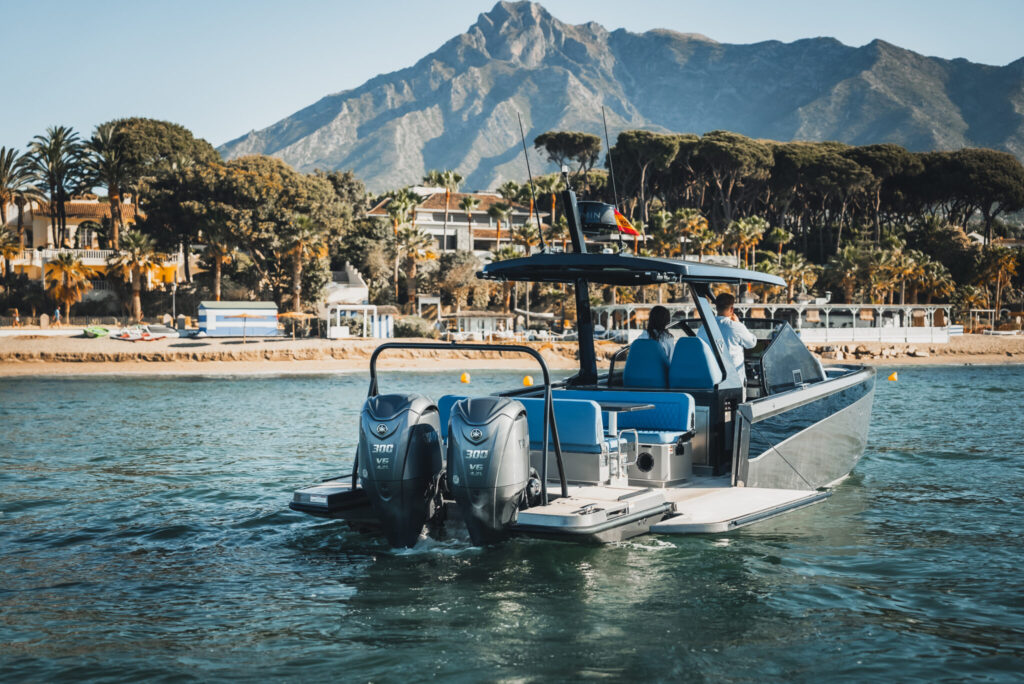
The implementation of innovative technologies and materials represents another key step towards sustainable development in aquatic environments. Electrically and hybrid-powered boats designed today frequently integrate advanced energy management systems and efficient solar panels that continuously replenish the battery charge level. Moreover, it is of great importance that sailors use only environmentally friendly cleaning products, which prevents the chemical contamination of marine bodies of water.
In turn, dedicated mobile applications, such as Navionics or MySea, help crews safely navigate around shallow waters and provide information about local protected zones. Thanks to such innovative tools, electric and hybrid boats can move smoothly across the seas without the risk of damaging or disturbing sensitive natural habitats. Ultimately, the skilful combination of ecological materials with intelligent technology guarantees a safe and clean environment for all future generations.
Legal regulations supporting ecological sailing
International regulations are increasingly compelling the maritime industry to decarbonise and transition to alternative fuels, which is fundamentally transforming the face of the sector. Key pieces of legislation, such as the FuelEU Maritime regulation and the European Union’s EU ETS system, are systematically introducing stringent greenhouse gas reduction targets and imposing charges for CO₂ emissions. In the face of these restrictive requirements, electric and hybrid boats represent by far the safest solution for boat owners in the years to come.
In addition, the EU’s AFIR regulation imposes an absolute obligation on ports to construct infrastructure enabling vessels to be supplied with shore-side electricity during standard berthing. Thanks to this initiative, electric and hybrid boats will have a consistently guaranteed and rapid access to modern charging points throughout Europe. Such coherent legislative measures at both the global and European Union level are consistently supporting the energy transition and promoting the use of renewable energy sources.